


Among the highlights of the consortium meeting, several sessions were the stakeholders workshop, the integration of tools for transformative spatial planning, and the final exploitation workshop. These activities underscored the project’s commitment to maximizing biodiversity’s value and ensuring its long-term impact.
Stakeholders workshop in Mafra: Connecting policy and biodiversity
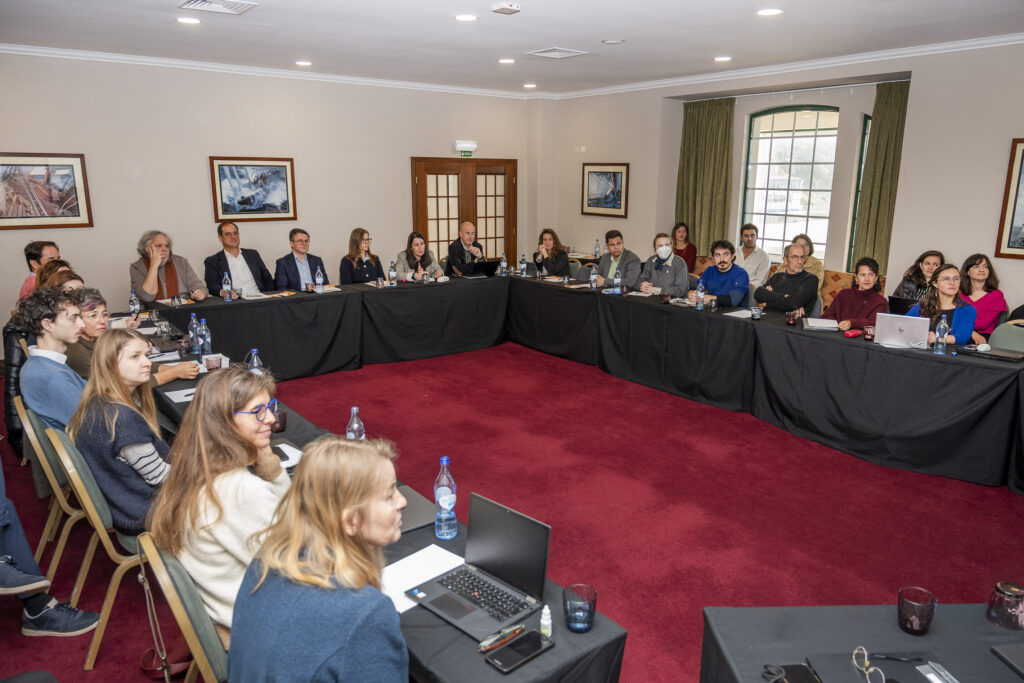
A pivotal moment of the consortium meeting was the Stakeholders Workshop held in Mafra, organized by the Municipality of Mafra, one of BioValue Arena’s for Transformation. This event brought together the most relevant local policymakers and decision-makers to discuss biodiversity’s role in shaping Mafra’s sustainable future.
Key highlights included:
- Visualizing Biodiversity: Partners presented several results in terms of existing biodiversity values in Mafra, ecosystem services mapping, and scenarios illustrating possible futures of Mafra territory—with and without enhanced biodiversity. These presentations provided a tangible understanding of biodiversity’s value to food production, tourism, and overall well-being.
- Collaborative Discussion: Moderated by project coordinator Maria Partidário, the discussion invited stakeholders to envision biodiversity’s future role in the municipality and to identify priority investments to enhance its value. This dialogue helped align BioValue’s broader goals with local planning development strategies.
Tool integration: Building the BioValue framework
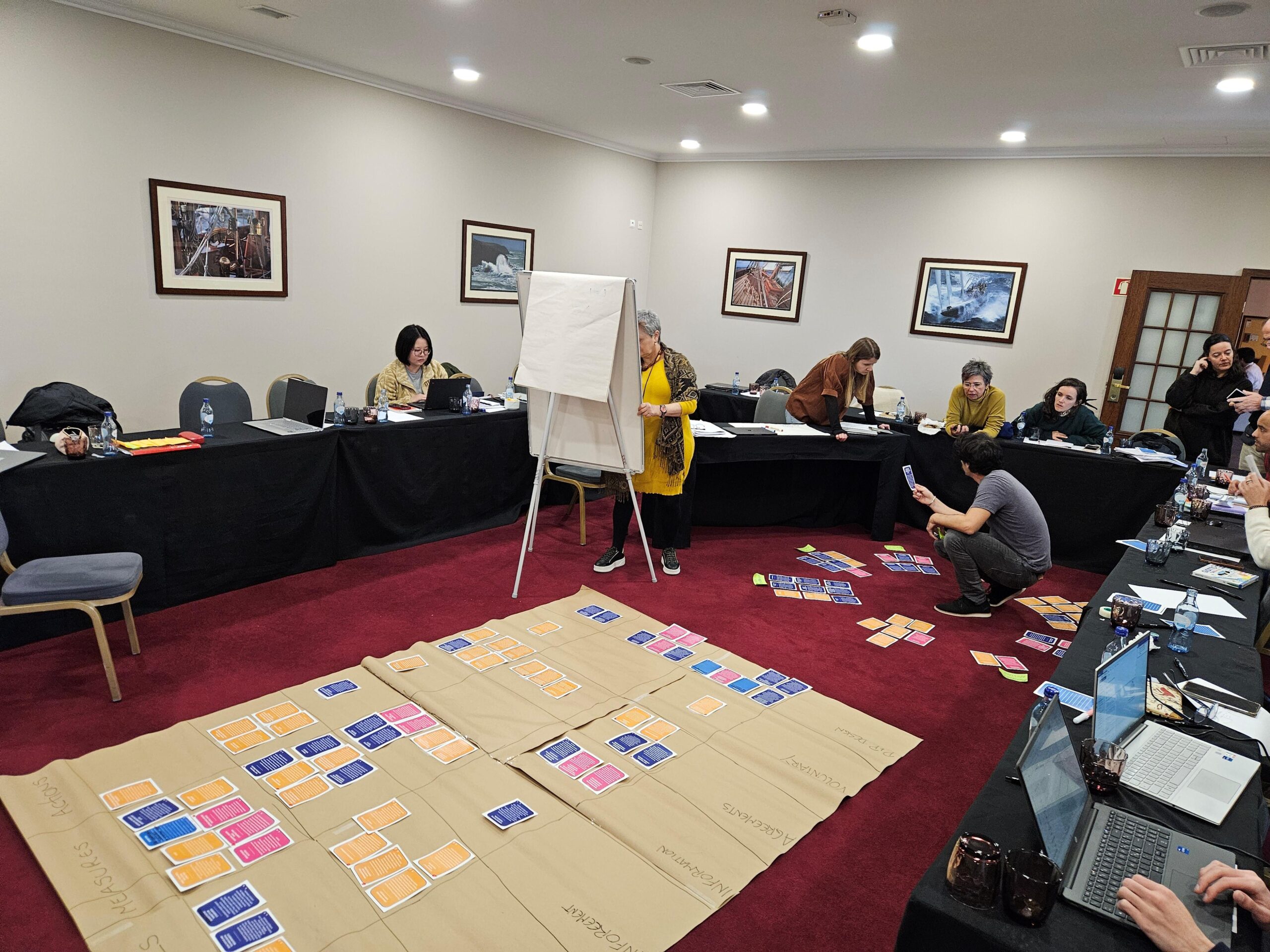
The integration of the three categories of tools analyzed throughout the project was a cornerstone of the meeting. Over the past years, partners have identified and mapped various tools across three key areas:
- Spatial Planning and Management Instruments (SP&MI): Tools that enable biodiversity-conscious spatial planning through regulations and strategies.
- Environmental Assessment Instruments (EAI): Tools that incorporate biodiversity considerations into decision-making through assessments such as EIA and SEA.
- Economic and Financing Instruments (E&FI): Tools that provide financial mechanisms and incentives to support biodiversity enhancement.
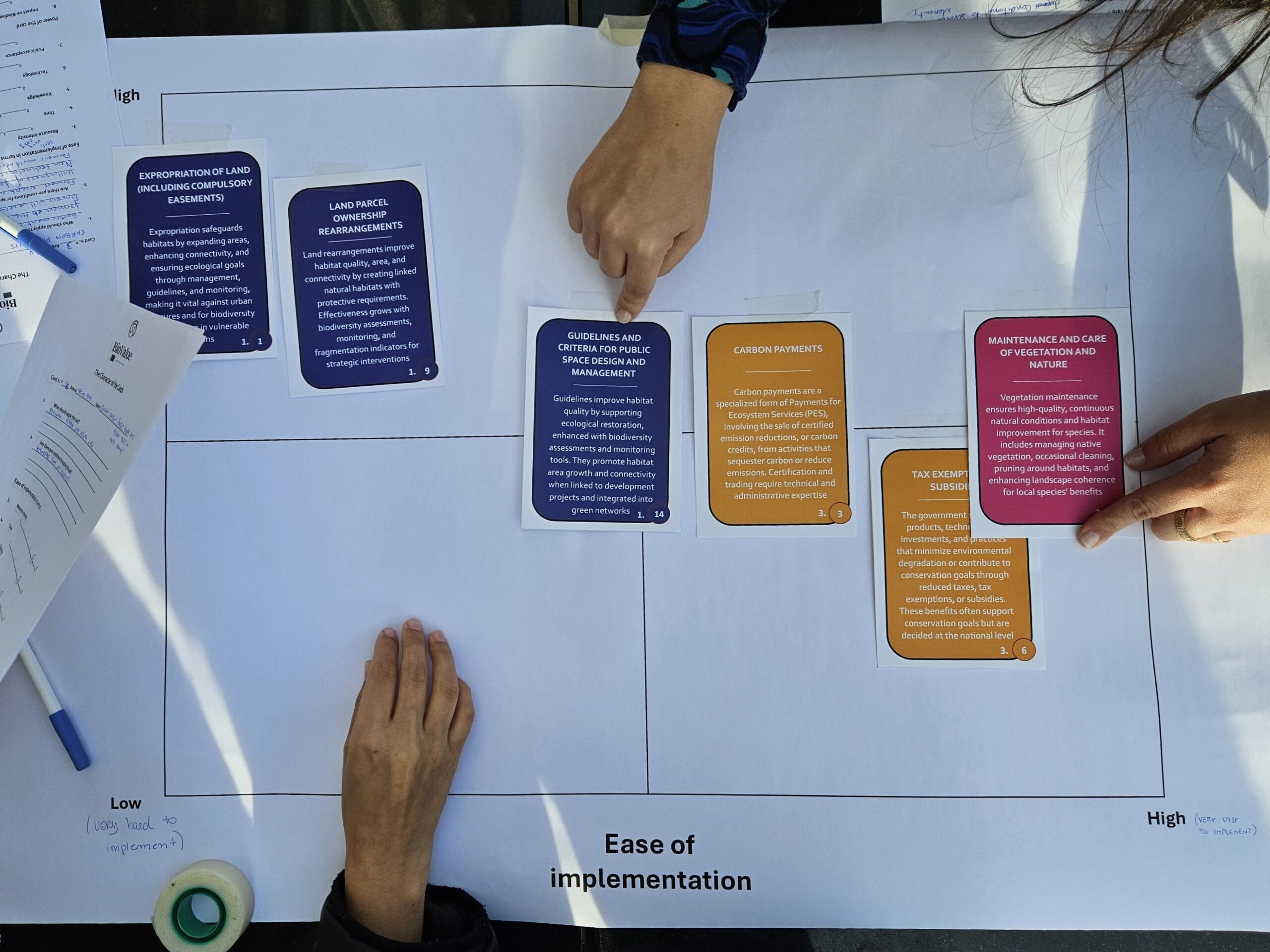
During the meeting, partners collaborated to refine and categorized the tools according to their main functions. The three Arenas also served as testing cases to validate the relevance of this categorization in practice. The integration of these tools ensures that BioValue offers a cohesive, comprehensive and actionable structure to promote transformative change in spatial planning while prioritizing biodiversity.
Furthermore, these mapped and classified tools have been transformed into a card game that, through gamification, aims to facilitate the inclusion of biodiversity in decision-making and spatial planning processes. This innovative game will stand as a legacy of the project.
Final exploitation workshop: Roadmap for post-project impact
The Final Exploitation Workshop, coordinated by ICONS focused on developing post-project strategies, consolidating the project’s legacy and future trajectory.
Key objectives and achievements included:
- Consolidation and prioritization: A comprehensive list of key exploitable results was consolidated and prioritized to finalize a post-project strategy that ensures their uptake and transfer as the enduring legacy of the project.
- Arena exploitation canvas: Building on previous project activities, partners created detailed overviews of each arena’s initiatives and identified key actions to form a roadmap for the post-project phase. This roadmap will be included in the Final Exploitation Plan, which outlines strategies for leveraging BioValue’s results over the next four years.
- Linking Arenas to project results: Partners connected arena activities to the project’s KERs, highlighting their potential for further development. This process clarified how BioValue’s contributions would continue to benefit the arenas and outlined potential partnerships between scientific partners and the arenas in the post-project phase.
These activities highlight BioValue’s unwavering commitment to transformative change. As the project moves toward its conclusion, the outcomes of these efforts will guide sustainable biodiversity valorization and inspire similar initiatives across Europe.
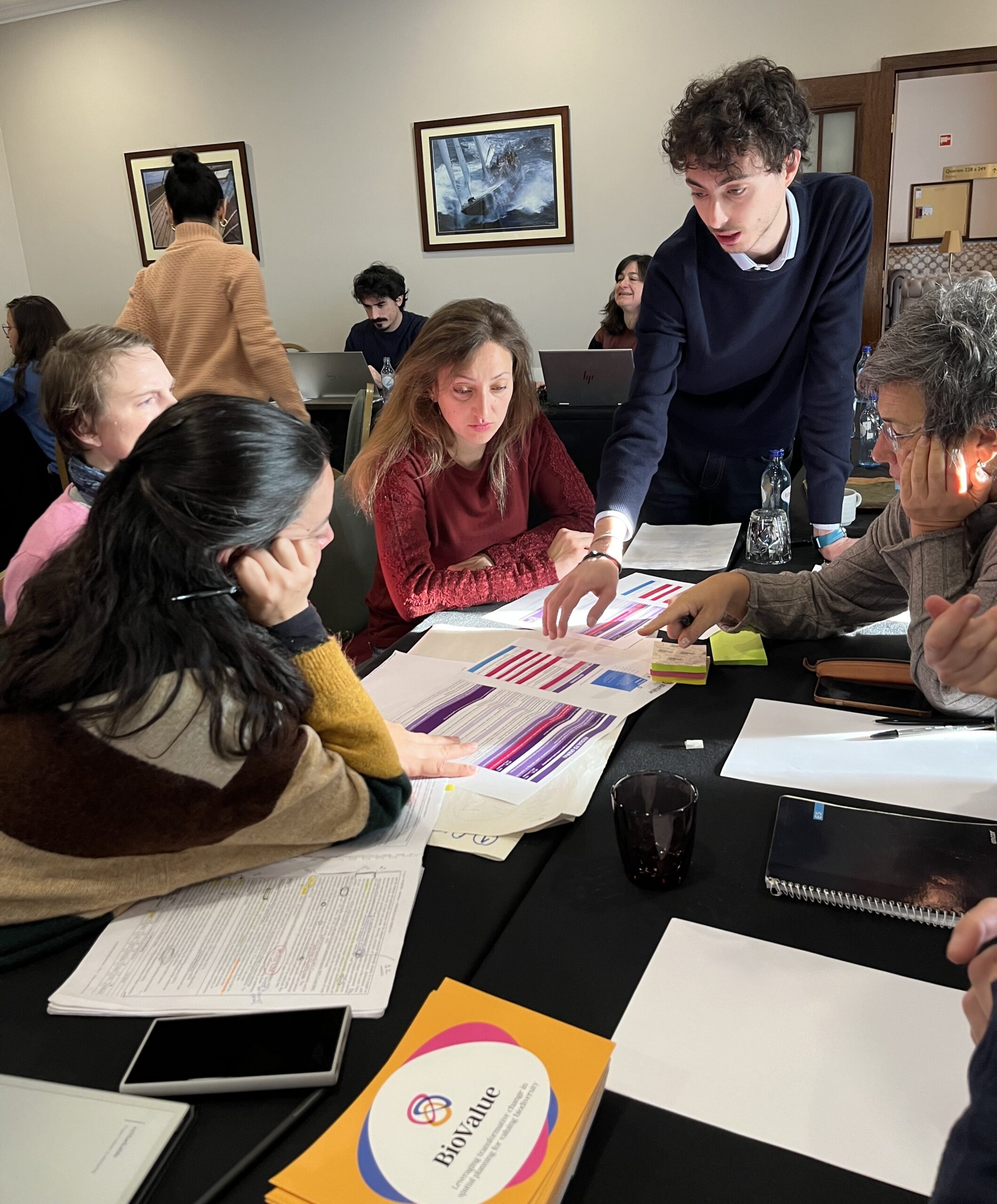
Featured image by Mafra Municipality
