

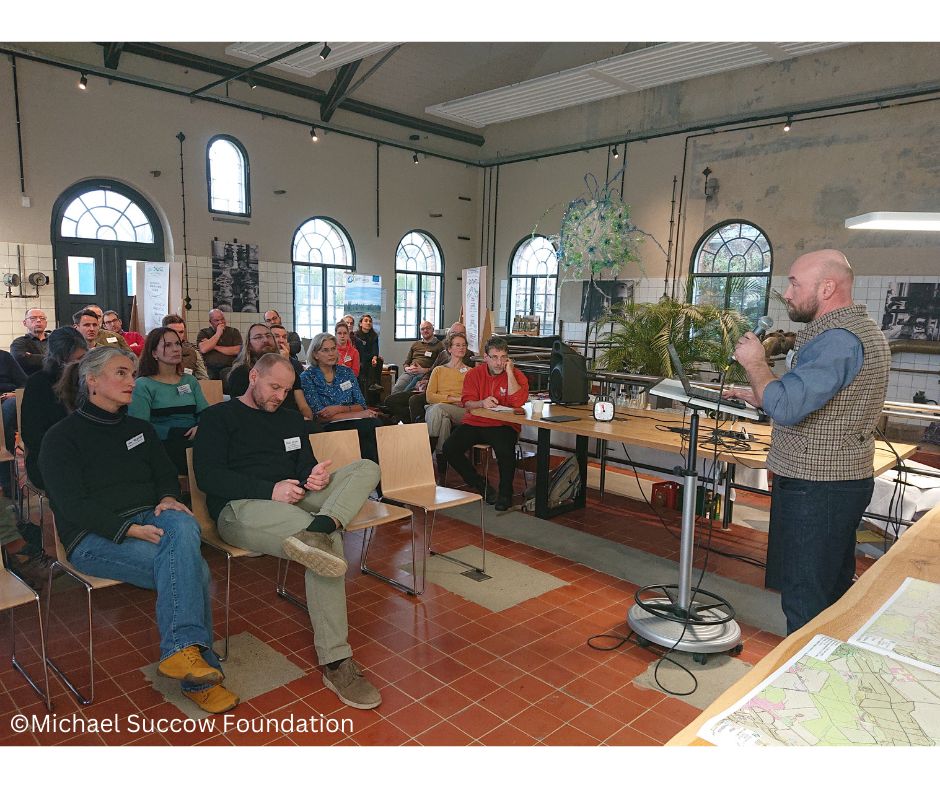
BioValue joined a workshop of the ALFAwetlands Horizon Europe project co-organized by Michael Succow Stiftung and Helmholtz Zentrum für Umweltforschung (UFZ) as part of the BioValue Arena in Mecklenburg Vorpommern in Germany, in the town of Malchin in the Upper Peene Valley.
The town of Malchin is located in the BioValue Arena in Mecklenburg Vorpommern. The area is marked for its vast wetlands and has been a pioneer in the thermal use of paludiculture biomass for more than a decade.
At the end of last year, 36 participants—ranging from local farmers, conservation experts, and local administrators to start-ups financing rewetting through CO₂ certificates and a regional think tank promoting bioeconomy—gathered to explore opportunities for cooperation in developing value chains for paludiculture.
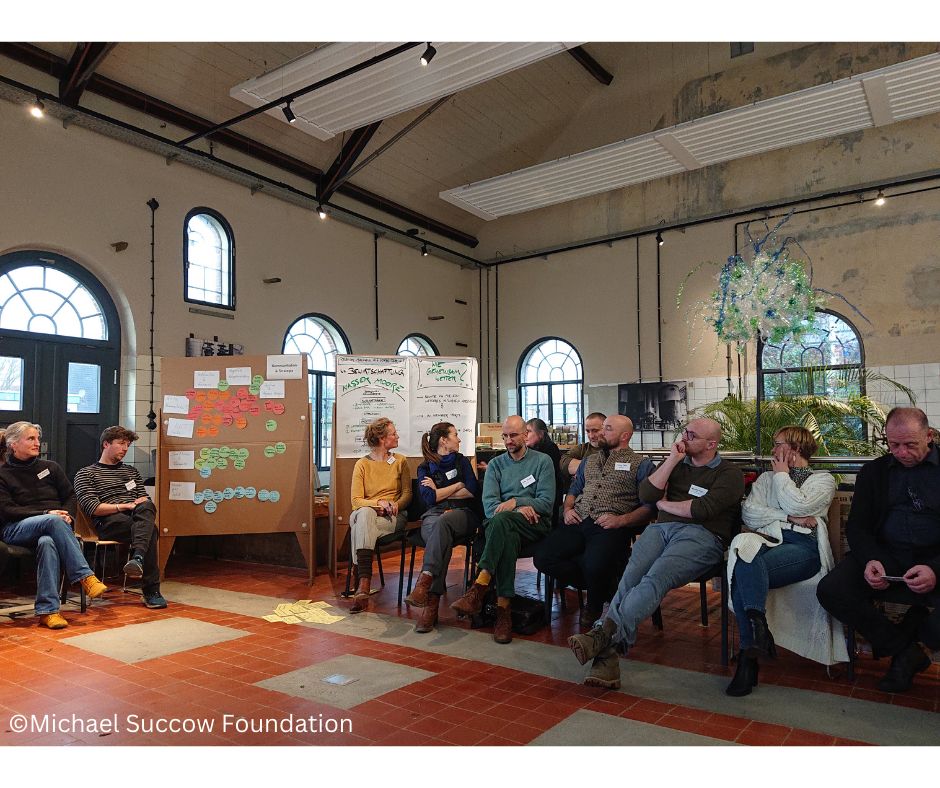
Key insights from the workshop
- Governance instruments supporting biomass production on rewetted peatlands are advancing, with economic incentives and technical assistance becoming more established. However, the development of value chains for processing biomass and creating stable demand remains a significant challenge.
- Single-sector approaches are insufficient. A systemic perspective, involving all actors along the value chain, is necessary to drive transformative change.
- Discussions and policies related to paludiculture primarily focus on rewetting peatlands as carbon sinks, often overlooking biodiversity as a criterion. Over time, biodiversity should also become a central consideration in these strategies.
ALFAwetlands Project
The project, funded under Horizon Europe program, aims to enhance the geospatial knowledge base of wetlands, assess restoration pathways through co-creation processes, and provide sustainability indicators to maximize climate change mitigation, biodiversity, and other benefits. The Malchin region is one of nine ALFAwetlands Living Labs, European wetland regions being studied by the project.
The workshop highlighted the significant potential and growing interest from the agricultural sector in pioneering the management of wet peatlands. While challenges remain, innovative ideas and a collaborative spirit offer promising opportunities for the future.
Initiatives like these are essential for advancing paludiculture and supporting sustainable wetland restoration, benefiting the climate, biodiversity, and local communities.
Pictures courtesy of @Michael Succow Foundation
