


The 11th Plenary of the Intergovernmental Science-Policy Platform on Biodiversity and Ecosystem Services (IPBES) will take place in Windhoek, Namibia, from 10 December to 16 December 2024. During the international event, governments will see on their agenda the adoption of two major complementary assessment reports that outline key actions needed to address the emergency of biodiversity loss, climate change and pollution.
This independent international body was born in 2012 to provide decision-makers with the most comprehensive scientific evidence on nature-related issues. The Plenary will adopt two major complementary assessment reports to address the triple planetary emergency of biodiversity loss, climate change and pollution:
- The Nexus assessment report tackles the intertwined global crises of biodiversity, water, food, health, and climate change.
- The Transformative Change assessment report focuses on the underlying causes of the biodiversity crisis, the drivers of change and options for achieving a system-wide reorganisation for a fair and sustainable future.
EU contributions to the IPBES 11th Plenary
- The report entitled “Transformative change for a sustainable future” published by the European Research Council (ERC), addresses the issue of how we can transform our world to meet the pressing challenges of climate change, biodiversity loss, and sustainable development. It analyses over 300 ERC-funded projects that illuminate the concept of transformative change and its potential to pave the way for a just and sustainable future.
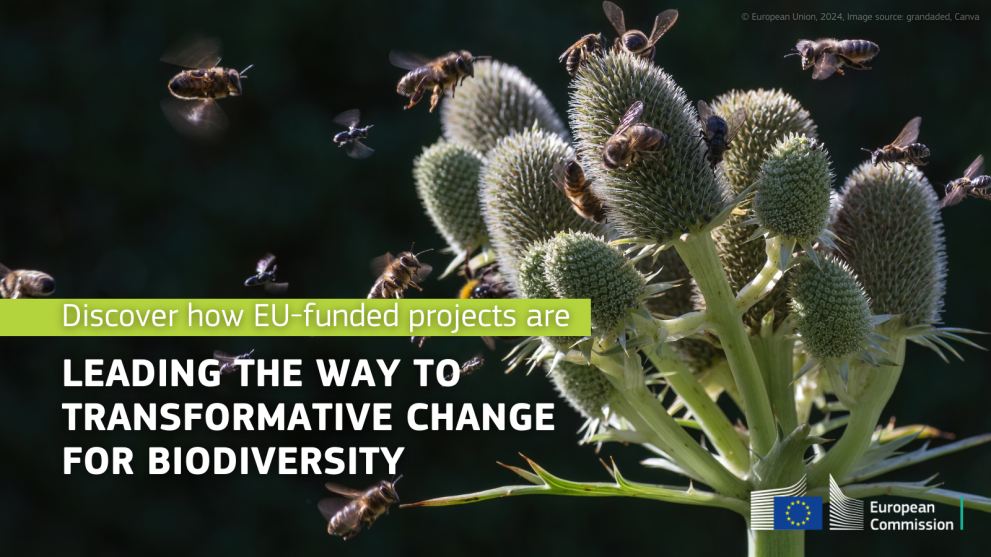
- 16 EU-funded projects managed by the European Research Executive Agency (REA) were recognised as leading the way to transformative change for biodiversity. These projects aim at making an impact in the conservation, restoration, and wise use of biodiversity, while considering broader and social and economic sustainable goals. Among these, BioValue contributes to inverting the trend on biodiversity loss due to land use and land cover change and explores the transformative potential of spatial policy and planning.
- The brochure “The nexus approach: EU-funded research on biodiversity and its interlinkages with water, food, health and climate change” published by the European Research Council (ERC), showcases a selection of EU-funded research projects that deliver scientific knowledge, solutions and case studies on the connections between protecting, restoring and sustainably using biodiversity, and managing water, food systems, human health, and climate change. This ’nexus’ approach to consider multiple systems connected helps minimise trade-offs, such as avoiding conflicts between reforestation and food production, identifying synergies and designing higher impact policy solutions to manage natural resources and land and sea use, with beneficial outcomes across these key systems. This approach is also key to helping the transformative changes urgently needed to halt and reverse biodiversity loss.
Learn more about the Plenary and discover how scientific assessments of the state of biodiversity and ecosystems can help tackle growing global challenges.
Photo credits: IPBES
