


Held at the Mafra Business Factory, the workshop engaged 21 stakeholders from diverse organisations in an interactive and innovative exploration of biodiversity preservation and sustainable planning.
The session built upon the Transformation Action Workshop II outcomes, aiming to integrate future representations of Mafra’s territory into practical spatial planning, environmental assessment, and financial instruments. Through collaborative exercises, participants created composite images of future scenarios for the region, linked these visions to planning instruments, and identified actionable steps to support biodiversity and sustainable development.
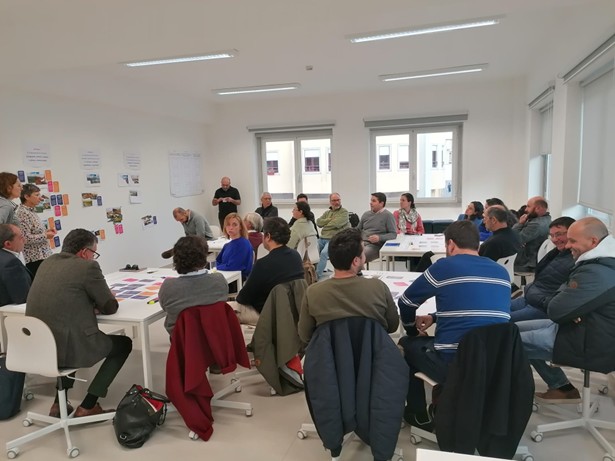
Key activities and discussions
- Creating future visions: Stakeholders used artificial intelligence-generated images to visualise ambitions for Mafra, including preserving natural areas, promoting renewable energy, and maintaining the traditional agricultural identity.
- Linking tools to ambitions: Groups analysed spatial and environmental tools to determine their alignment with the envisioned scenarios.
- Commitment to action: Each participant identified concrete actions and partnerships to support the shared vision, laying the groundwork for a stakeholder commitment letter.
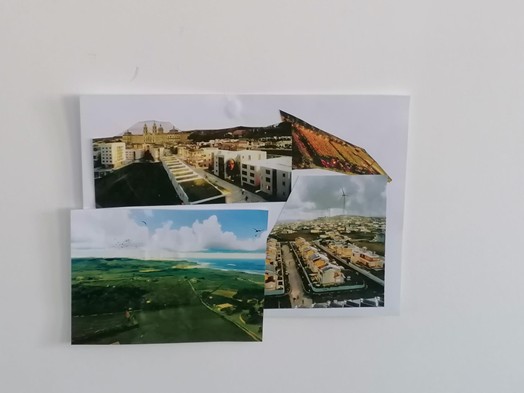
Main topics highlighted
- Advancing renewable energy adoption.
- Designing urban spaces with green roofs, kitchen gardens, and low-density housing.
- Preserving coastal and natural areas while fostering responsible tourism.
- Modernizing agriculture while protecting its traditional identity.
- Enhancing environmental education and certification efforts.
This collaborative event underscored the importance of integrated planning and stakeholder involvement in addressing biodiversity loss and achieving sustainable land-use transformation. The outcomes of this workshop will inform future actions and policy directions in Mafra, demonstrating the municipality’s commitment to leading in biodiversity conservation and sustainable development.
